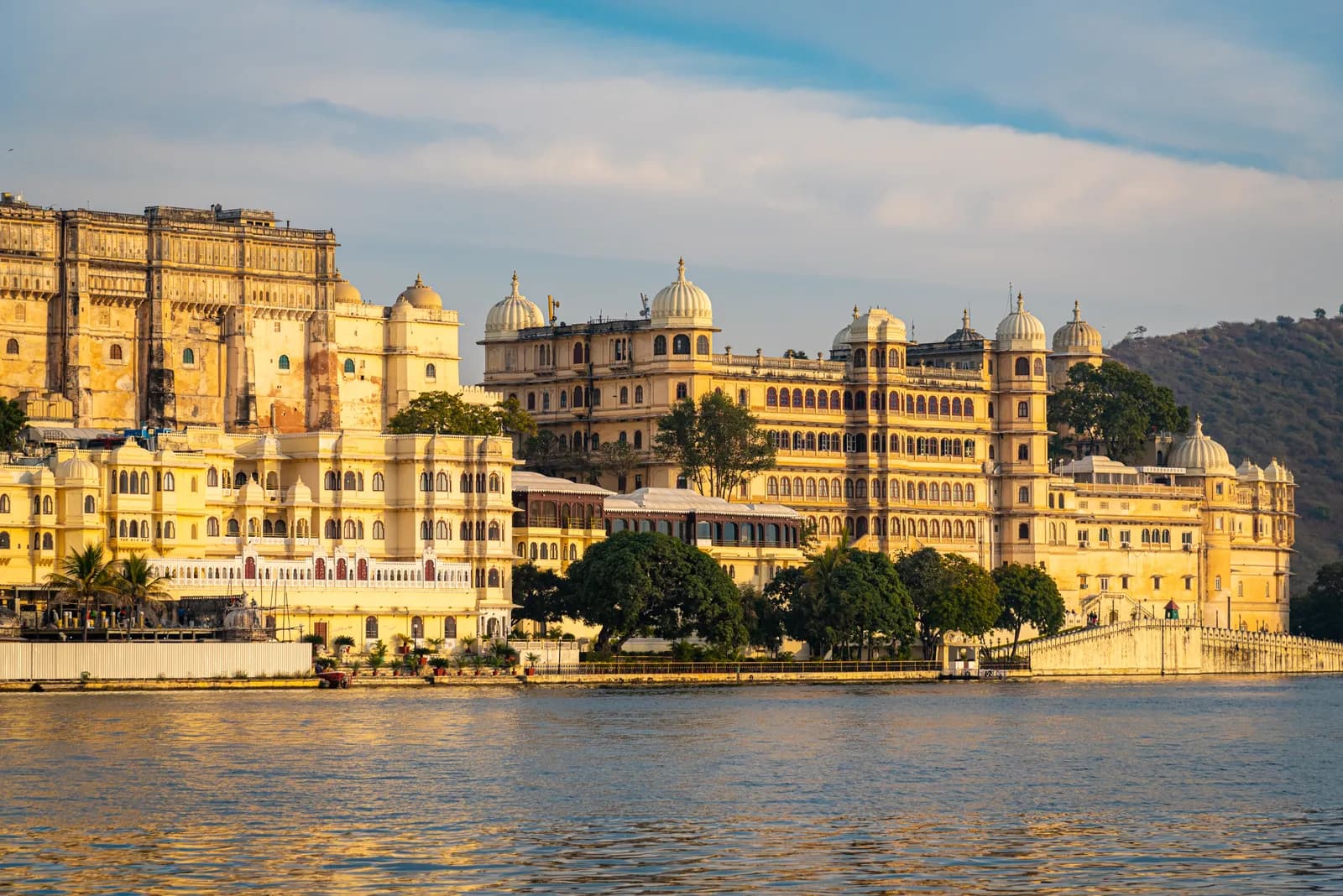
Exploring the architectural and cultural contributions of the Mughal dynasty.
The Mughal Empire, which ruled India from 1526 to 1857, left an indelible mark on the subcontinent's culture, architecture, and art. Their legacy of grand monuments, refined arts, and administrative systems continues to influence modern India.
Architectural Wonders
The Taj Mahal, built by Shah Jahan, is the epitome of Mughal architecture - a perfect blend of Persian, Islamic, and Indian styles. The Red Fort, Fatehpur Sikri, and Humayun's Tomb showcase the empire's architectural brilliance.
Cultural Synthesis
The Mughals fostered a unique Indo-Islamic culture. They patronized miniature painting, introduced new musical instruments, and enriched Indian cuisine with dishes like biryani and kebabs. Urdu language flourished under their rule.
"The Mughals didn't just rule India; they became part of its soul."
Their administrative systems, including the mansabdari system, influenced governance for centuries. The Mughal period represents a golden age of art, architecture, and cultural synthesis.